5 Cozy Dinners You Can Make With What's Left in Your Fridge
Don’t reach for the takeout menu just yet. Learn how to transform those lonely vegetables and half-empty jars into the most comforting meals of the week.
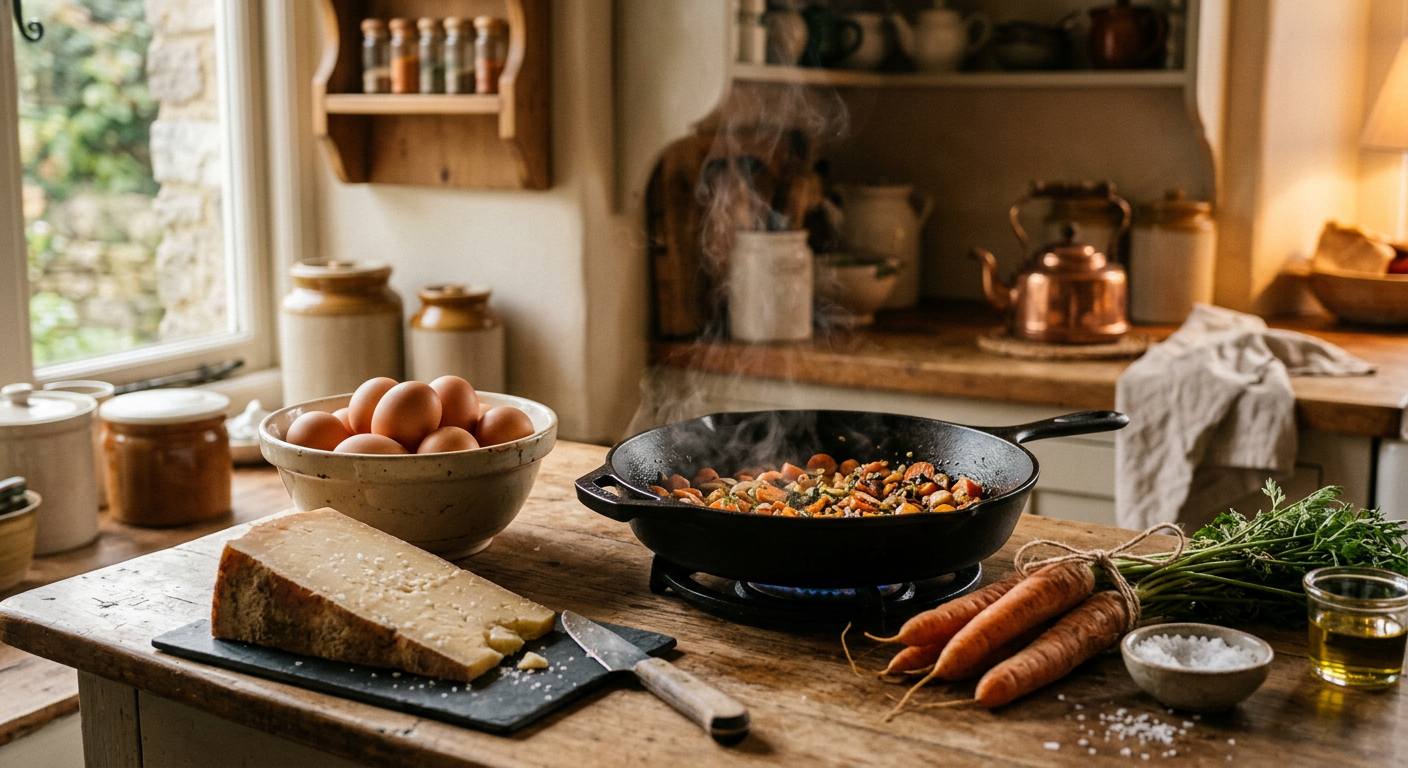
Five Cozy Dinners You Can Make With What’s Left in Your Fridge
We have all been there. It is Tuesday night, the grocery run is two days away, and the refrigerator looks a little sparse. A wilted head of kale, a lonely nub of Parmesan, three carrots, and maybe half a jar of marinara.
Your first instinct might be to order pizza, but there is a specific kind of magic that happens when you are forced to get creative with what you already have.
Learning to cook with what is on hand is not just about saving money. It is about understanding the logic of flavor, texture, and balance. Once you learn a few basic recipe patterns, the random leftovers in your fridge start looking less like clutter and more like dinner.
Here are five cozy, flexible recipes you can make with whatever odds-and-ends you already have.
1. The “Everything” Frittata
A frittata is basically a thick, crustless egg bake. It is one of the easiest ways to turn leftover vegetables, cheese, herbs, or cooked meat into a real meal.
Best For
Leftover vegetables, eggs, cheese, cooked meats, greens, mushrooms, onions, peppers, potatoes, or herbs.
Ingredients
Serves 2 to 4.
- 6 eggs
- 2 tablespoons milk, cream, or water
- 1 to 2 cups chopped vegetables
- 1/2 cup shredded cheese, crumbled cheese, or chopped cooked meat
- 1 tablespoon butter or oil
- Salt and pepper
- Optional: garlic, onion, herbs, hot sauce, leftover potatoes, cooked bacon, ham, or sausage
How to Make It
- Preheat your oven to 375°F if you plan to finish the frittata in the oven. If you do not have an oven-safe pan, you can cook it fully on the stovetop with a lid.
- Crack the eggs into a bowl. Add milk, cream, or water. Add a pinch of salt and pepper. Whisk until the yolks and whites are fully mixed.
- Chop your vegetables into bite-sized pieces.
- Heat a skillet over medium heat. Add butter or oil.
- Add harder vegetables first, like onions, peppers, carrots, broccoli, mushrooms, or potatoes. Cook for 4 to 6 minutes, stirring every so often, until they soften.
- Add delicate greens like spinach, kale, or arugula last. Cook for 1 to 2 minutes until they wilt.
- Pour the egg mixture into the pan. Sprinkle cheese or cooked meat over the top.
- Cook on the stovetop for 3 to 5 minutes, until the edges start to set.
- Transfer the pan to the oven and bake for 8 to 12 minutes, until the center no longer jiggles. If cooking fully on the stovetop, cover the pan and cook on low heat until set.
- Let it rest for 3 minutes before slicing.
Important Tip
Do not throw raw, watery vegetables directly into the eggs. Mushrooms, spinach, zucchini, peppers, and greens should be cooked first. This removes extra moisture and keeps the frittata from turning soggy.
Easy Swaps
- No milk? Use water.
- No cheese? Add a little extra salt, olive oil, or cooked meat for flavor.
- No oven? Cook it covered on low heat until the eggs are set.
- No fresh vegetables? Use leftover roasted vegetables or frozen vegetables that have been thawed and drained.
2. Kitchen Sink Fried Rice
Fried rice is one of the best leftover meals because old rice is actually better than fresh rice. Cold rice is drier, so it crisps up in the pan instead of turning mushy.
Best For
Leftover rice, eggs, frozen vegetables, peas, carrots, onion, celery, leftover chicken, pork, shrimp, tofu, or small amounts of random vegetables.
Ingredients
Serves 2.
- 2 cups cooked cold rice
- 1 to 2 tablespoons oil
- 1 egg
- 1/2 to 1 cup chopped vegetables
- 1 to 2 tablespoons soy sauce
- Optional: sesame oil, garlic, ginger, green onions, leftover meat, tofu, chili crisp, sriracha, or butter
How to Make It
- Break up the cold rice with your hands or a fork so there are no big clumps.
- Chop any vegetables into small pieces. Smaller pieces cook faster and mix better with the rice.
- Heat a large skillet over medium-high or high heat. Add oil.
- Add harder vegetables first, like carrots, celery, onion, broccoli stems, or peppers. Cook for 3 to 5 minutes, stirring often.
- Add softer vegetables like peas, corn, spinach, or green onions. Cook for another 1 to 2 minutes.
- Push the vegetables to one side of the pan.
- Crack the egg into the empty side of the pan. Stir it quickly with a spatula until scrambled.
- Add the cold rice. Stir everything together.
- Let the rice sit untouched for 30 to 60 seconds at a time so it can crisp slightly. Then stir and repeat.
- Add soy sauce around the edges of the pan, not directly into one pile. Stir well.
- Turn off the heat and add a tiny drizzle of toasted sesame oil if you have it.
- Taste and adjust. Add more soy sauce, hot sauce, or a pinch of salt if needed.
Important Tip
Do not use wet, fresh rice if you can avoid it. If you only have fresh rice, spread it on a plate or baking sheet for 10 to 15 minutes to let steam escape before frying.
Easy Swaps
- No soy sauce? Use teriyaki sauce, coconut aminos, a little Worcestershire sauce, or even salt and butter.
- No egg? Skip it or add tofu, leftover meat, or extra vegetables.
- No rice? Try cooked quinoa, cauliflower rice, or leftover noodles.
3. Pantry Pasta Aglio e Olio with a Twist
Aglio e olio means garlic and oil. It is one of the simplest pasta dishes in the world, but it becomes a full dinner when you add whatever is left in your fridge.
Best For
Pasta, garlic, olive oil, Parmesan, greens, tomatoes, leftover vegetables, sun-dried tomatoes, arugula, spinach, mushrooms, cooked chicken, sausage, or canned beans.
Ingredients
Serves 2.
- 8 ounces pasta
- 2 to 4 cloves garlic, thinly sliced or minced
- 2 to 3 tablespoons olive oil
- 1/4 cup reserved pasta water
- Salt and pepper
- Optional: Parmesan, Pecorino, chili flakes, lemon juice, leftover vegetables, greens, canned beans, cooked chicken, or herbs
How to Make It
- Bring a pot of salted water to a boil.
- Cook the pasta according to the package directions.
- Before draining the pasta, scoop out about 1 cup of the pasta water and set it aside.
- While the pasta cooks, heat olive oil in a skillet over medium-low heat.
- Add the garlic and cook for 1 to 2 minutes, stirring often. The garlic should smell fragrant and turn lightly golden. Do not let it burn.
- Add any cooked vegetables, greens, beans, or leftover meat to the skillet. Cook for 2 to 3 minutes until warmed through.
- Add the drained pasta to the skillet.
- Add a splash of reserved pasta water and toss everything together.
- Keep tossing for 1 to 2 minutes. The pasta water and oil should turn glossy and coat the noodles.
- Add cheese, lemon juice, chili flakes, herbs, or black pepper if you have them.
- Taste and adjust with salt, pepper, cheese, or lemon.
Important Tip
The pasta water matters. It is starchy, which helps the oil and garlic turn into a light sauce instead of sliding off the noodles.
Easy Swaps
- No Parmesan? Use another salty cheese, butter, nutritional yeast, or a drizzle of olive oil.
- No fresh garlic? Use garlic powder, but add it later so it does not burn.
- No vegetables? Add canned beans, tuna, leftover chicken, or even a fried egg on top.
4. The Crispy Grain Bowl
A grain bowl is one of the easiest ways to make leftovers feel intentional. The trick is to crisp the grains in a pan so they taste nutty, warm, and satisfying.
Best For
Leftover quinoa, farro, brown rice, couscous, white rice, roasted vegetables, raw crunchy vegetables, yogurt, herbs, greens, beans, eggs, or leftover protein.
Ingredients
Serves 2.
- 2 cups cooked grains
- 1 tablespoon oil
- 1 to 2 cups vegetables
- 1/2 cup protein, such as beans, chicken, tofu, egg, or leftover meat
- Salt and pepper
Quick Sauce
Use any one of these:
- Yogurt + lemon juice + salt
- Olive oil + vinegar + mustard
- Mayo + hot sauce
- Tahini + lemon juice + water
- Sour cream + lime juice
- Soy sauce + sesame oil
How to Make It
- Heat a skillet over medium-high heat.
- Add oil.
- Add the cooked grains in an even layer.
- Let them sit untouched for 1 to 2 minutes so they can crisp.
- Stir, then let them sit again. Repeat for 5 to 7 minutes, until some grains are golden and crispy.
- Season with salt and pepper.
- Warm any leftover vegetables or protein in the same pan, or keep them cold if they are meant to be fresh and crunchy.
- Add the crispy grains to a bowl.
- Top with vegetables, protein, greens, herbs, cheese, or whatever you have.
- Add sauce and mix just before eating.
Important Tip
Do not stir constantly. Crispy grains need contact with the hot pan. Let them sit, then stir, then let them sit again.
Easy Swaps
- No grains? Use pasta, roasted potatoes, toast, or greens as the base.
- No sauce ingredients? Use bottled dressing, hot sauce, salsa, hummus, or a squeeze of lemon.
- No protein? Add a fried egg, beans, cheese, nuts, or seeds.
5. The “Stray Veggie” Pureed Soup
Almost any vegetable can become soup if you simmer it until tender and blend it. This is perfect for carrots, potatoes, cauliflower, broccoli, squash, celery, tomatoes, or vegetables that are a little sad but still safe to eat.
Best For
Carrots, potatoes, cauliflower, squash, broccoli, tomatoes, celery, onions, garlic, greens, stock, bouillon, cream, yogurt, Parmesan rinds, or stale bread for croutons.
Ingredients
Serves 2 to 4.
- 3 to 4 cups chopped vegetables
- 1 tablespoon butter or oil
- 1/2 onion, 1 shallot, or 2 garlic cloves if available
- 3 to 4 cups stock, broth, or water with bouillon
- Salt and pepper
- Optional: cream, milk, Greek yogurt, Parmesan rind, herbs, spices, lemon juice, hot sauce, or croutons
How to Make It
- Chop vegetables into similar-sized pieces so they cook evenly.
- Heat a pot over medium heat.
- Add butter or oil.
- Add onion, garlic, celery, or other aromatics if you have them. Cook for 3 to 5 minutes, stirring often, until softened and fragrant.
- Add your chopped vegetables.
- Add enough broth or water to just barely cover the vegetables.
- Bring to a boil, then reduce the heat to a simmer.
- Simmer for 15 to 25 minutes, until the vegetables are soft enough to mash with a spoon.
- Turn off the heat.
- Blend the soup until smooth using an immersion blender. If using a regular blender, blend in small batches and be careful with hot liquid.
- Add cream, milk, yogurt, butter, cheese, or olive oil if you want it richer.
- Taste and adjust with salt, pepper, lemon juice, herbs, or hot sauce.
Important Tip
If the soup tastes flat, it probably needs salt, acid, or fat. Add a pinch of salt, a squeeze of lemon, or a small splash of cream or olive oil.
Easy Swaps
- No broth? Use water and a bouillon cube.
- No cream? Blend in a cooked potato, Greek yogurt, milk, butter, or olive oil.
- No blender? Mash the vegetables with a potato masher for a rustic soup.
- No fresh herbs? Use dried herbs, black pepper, chili flakes, or a little garlic powder.
Basic Cooking Skills These Recipes Use
If you are newer to cooking, here are a few terms you will see often.
How to Sauté
Sautéing means cooking food quickly in a small amount of fat over medium or medium-high heat.
- Heat the pan first.
- Add a little oil or butter.
- Add the food in a single layer if possible.
- Stir every so often so it cooks evenly.
- Cook until softened, browned, or fragrant.
For onions, this usually takes 3 to 5 minutes. For mushrooms, it can take 5 to 8 minutes because they release water first. For spinach, it may only take 1 to 2 minutes.
How to Know When Vegetables Are “Tender”
A vegetable is tender when you can easily poke it with a fork. For soup, you want the vegetables very tender so they blend smoothly.
How to Taste and Adjust
If food tastes boring, it usually needs one of three things:
- Salt for flavor
- Acid like lemon juice or vinegar for brightness
- Fat like butter, olive oil, cheese, or cream for richness
Add a little at a time, taste again, then adjust.
Food Safety and Storage
When cooking with fridge leftovers, remember the golden rule: when in doubt, throw it out.
- The Sniff Test: Smell can help, but it is not foolproof. If meat, dairy, or cooked leftovers smell sour, funky, or off, do not use them.
- Wilted vs. Rotten: Wilted greens are usually fine for sautéing, soups, or frittatas. Slime, mold, or a rotten smell means they need to go.
- Reheating: When reheating cooked leftovers, make sure they are heated all the way through.
The Real Skill: Learning the Pattern
The point is not to memorize five recipes perfectly. The point is to learn the pattern behind them.
Eggs can become a frittata. Rice can become fried rice. Pasta can become dinner with garlic, oil, and one good add-in. Grains can become a crispy bowl. Vegetables can become soup.
Once you understand those patterns, your fridge stops feeling empty. It starts feeling like a puzzle you can solve.
Cooking from your fridge is about flexibility and confidence. You are not just following a recipe. You are learning how to build one.
You are the master of your kitchen. Let your taste buds guide you.
All recipes
Recipe 1 of 5
The Everything Frittata
Ingredients
- 6 eggs
- 2 tablespoons milk, cream, or water
- 1 to 2 cups chopped vegetables
- 1/2 cup shredded cheese, crumbled cheese, or chopped cooked meat
- 1 tablespoon butter or oil
- Salt and pepper
- Optional: garlic, onion, herbs, hot sauce, leftover potatoes, cooked bacon, ham, or sausage
Instructions
- Preheat your oven to 375°F if finishing in the oven. Otherwise, prepare to cook fully on the stovetop with a lid.
- Whisk eggs with milk, cream, or water and a pinch of salt and pepper in a bowl until fully mixed.
- Chop vegetables into bite-sized pieces.
- Heat a skillet over medium heat and add butter or oil.
- Add harder vegetables (onions, peppers, carrots, broccoli, mushrooms, or potatoes) and cook for 4 to 6 minutes until softened.
- Add delicate greens (spinach, kale, or arugula) and cook for 1 to 2 minutes until wilted.
- Pour the egg mixture into the pan and sprinkle cheese or cooked meat over the top.
- Cook on the stovetop for 3 to 5 minutes until edges start to set.
- Transfer to the oven and bake for 8 to 12 minutes until the center no longer jiggles, or cover and cook on low heat on the stovetop until set.
- Let rest for 3 minutes before slicing.
Tips
- Do not throw raw, watery vegetables directly into the eggs. Cook them first to remove extra moisture.
Swaps
- No milk? Use water.
- No cheese? Add extra salt, olive oil, or cooked meat.
- No fresh vegetables? Use leftover roasted or thawed frozen vegetables.
Recipe 2 of 5
Kitchen Sink Fried Rice
Ingredients
- 2 cups cooked cold rice
- 1 to 2 tablespoons oil
- 1 egg
- 1/2 to 1 cup chopped vegetables
- 1 to 2 tablespoons soy sauce
- Optional: sesame oil, garlic, ginger, green onions, leftover meat, tofu, chili crisp, sriracha, or butter
Instructions
- Break up cold rice with hands or a fork to remove clumps.
- Chop vegetables into small pieces.
- Heat a large skillet over high or medium-high heat and add oil.
- Add harder vegetables (carrots, celery, onion, broccoli stems, or peppers) and cook for 3 to 5 minutes.
- Add softer vegetables (peas, corn, spinach, or green onions) and cook for 1 to 2 minutes.
- Push vegetables to one side and scramble the egg in the empty side.
- Add cold rice and stir everything together.
- Let rice sit untouched for 30 to 60 seconds to crisp, then stir and repeat.
- Add soy sauce around the edges of the pan and stir well.
- Turn off heat and add sesame oil if available. Season to taste with more soy or hot sauce.
Tips
- Do not use wet, fresh rice. If using fresh rice, spread it on a plate for 10-15 minutes to let steam escape first.
Swaps
- No soy sauce? Use teriyaki, coconut aminos, Worcestershire sauce, or salt and butter.
- No egg? Skip or add tofu or extra meat/veg.
- No rice? Try quinoa, cauliflower rice, or leftover noodles.
Recipe 3 of 5
Pantry Pasta Aglio e Olio with a Twist
Ingredients
- 8 ounces pasta
- 2 to 4 cloves garlic, thinly sliced or minced
- 2 to 3 tablespoons olive oil
- 1/4 cup reserved pasta water
- Salt and pepper
- Optional: Parmesan, Pecorino, chili flakes, lemon juice, leftover vegetables, greens, canned beans, cooked chicken, or herbs
Instructions
- Boil a pot of salted water and cook pasta according to directions.
- Reserve 1 cup of starchy pasta water before draining.
- Heat olive oil in a skillet over medium-low heat.
- Cook garlic for 1 to 2 minutes until fragrant and lightly golden.
- Add cooked vegetables, greens, beans, or meat to the skillet and cook for 2 to 3 minutes.
- Add the drained pasta and a splash of reserved pasta water to the pan.
- Toss continuously for 1 to 2 minutes until the oil and water coat the noodles glossily.
- Add cheese, lemon, or spices and adjust seasoning.
Tips
- The starchy pasta water helps the oil and garlic turn into a light sauce instead of sliding off the noodles.
Swaps
- No Parmesan? Use another salty cheese, butter, or nutritional yeast.
- No fresh garlic? Use garlic powder added later in the cooking process.
- No vegetables? Use canned beans, tuna, or top with a fried egg.
Recipe 4 of 5
The Crispy Grain Bowl
Ingredients
- 2 cups cooked grains
- 1 tablespoon oil
- 1 to 2 cups vegetables
- 1/2 cup protein (beans, chicken, tofu, egg, or meat)
- Salt and pepper
- Quick Sauce options: Yogurt and lemon, oil and vinegar, mayo and hot sauce, or soy and sesame
Instructions
- Heat a skillet over medium-high heat and add oil.
- Add grains in an even layer.
- Let sit untouched for 1 to 2 minutes to crisp, then stir. Repeat for 5 to 7 minutes.
- Season grains with salt and pepper.
- Warm leftover vegetables or protein in the same pan.
- Assemble in a bowl with greens, herbs, or cheese.
- Drizzle with your chosen quick sauce and mix.
Tips
- Do not stir constantly. Grains need still contact with the pan to get crispy.
Swaps
- No grains? Use roasted potatoes, pasta, or toast.
- No sauce ingredients? Use bottled dressing, hummus, or salsa.
- No protein? Add an egg, beans, nuts, or seeds.
Recipe 5 of 5
The Stray Veggie Pureed Soup
Ingredients
- 3 to 4 cups chopped vegetables
- 1 tablespoon butter or oil
- 1/2 onion, 1 shallot, or 2 garlic cloves
- 3 to 4 cups stock, broth, or water with bouillon
- Salt and pepper
- Optional: cream, milk, Greek yogurt, Parmesan rind, herbs, spices, lemon juice, hot sauce, or croutons
Instructions
- Chop vegetables into similar-sized pieces.
- Heat a pot over medium heat and add butter or oil.
- Sauté aromatics (onion, garlic, or celery) for 3 to 5 minutes.
- Add chopped vegetables and enough broth to barely cover them.
- Bring to a boil, then reduce to a simmer.
- Cook for 15 to 25 minutes until vegetables are soft enough to mash.
- Turn off heat and blend using an immersion blender or standard blender (in small batches).
- Add fat/dairy (cream, yogurt, or butter) for richness.
- Adjust seasoning with salt, pepper, or acid like lemon juice.
Tips
- If soup tastes flat, it likely needs salt, acid (lemon), or fat (cream).
Swaps
- No broth? Use water and a bouillon cube.
- No cream? Blend in a cooked potato for thickness.
- No blender? Use a potato masher for a rustic texture.